
Do You Have A Project We Can Help With?
Fire Suppression Systems
We are a pure fire suppression and detection specialist protecting your high value assets and critical processes. We provide you with fully integrated automatic fire suppression and detection systems ensuring no issues left for you to sort out. From initial discussions and budgets through to completion and demonstration we can handle it all for you.
Products
If you already know what product you’re interested in then click on the relevant Fire Suppression ProductInert Gas Fire Suppresion systems – IG55, IG541 IG01 and IG100
INERGEN® Gas Fire Suppression Systems
Novec 1230 Gas Fire Suppression Systems
HFC227ea – FM200 and FE227
CO2 Fire Suppression Systems
Buckeye Kitchen Mister
Pyro-Chem Kitchen Knight II
Fire Detection & Controls
Over Pressure Vents
Fire Protection
Services
We provide the following services for you and your businessSystems Design
Fire Suppression Equipment
System Installation
Room Integrity Testing
Room Sealing
Commissioning
Fire Suppression System Maintenance
Support
Applications
Active fire protection can be used to protect many different areas and equipment but is not limitedServer Rooms
Data Centres
Communication Rooms
UPS Rooms
Restaurant Kitchens
Clean Rooms
Manufacturing Switch Room
Industrial Processes
Electrical Switch Cabinets
Industrial Microwave Ovens
Printing Presses
Boat Engine Rooms
Battery Rooms
Local Equipment Rooms (LERs)
Why do you need an Automatic Fire Suppression System?
Most commercial buildings now have a fire detection system to protect the occupants and the building, but is just detecting the fire enough?
The problem with having just detection is that although you know you have a fire (the fire alarm sounders or bells are ringing) there is no way to safely suppress the fire yourself and that’s if you are there. The Fire Service will put it out when called but the smoke damage occurring before they arrive and the water damage after can be quite significant.
Fire suppression systems & automatic extinguishing systems are used to reduce the level of damage and down time by automatically suppressing the fire ready for the Fire Service to get there and ensure it is out and safe to return. This ensures that your critical processes within your business such as the server or communications room or manufacturing process etc are up and running again in the minimum time. The ultimate success of the extinguishing system is that your customers didn’t even know you had a fire.
The operation of the fire suppression system in a fire situation can greatly reduce in most cases the level of damage and with some cases very little loss of production and downtime. Leaving you to replace a small PCB or piece of equipment that caused the fire, rather than all the equipment within the room.
How do we protect your business?
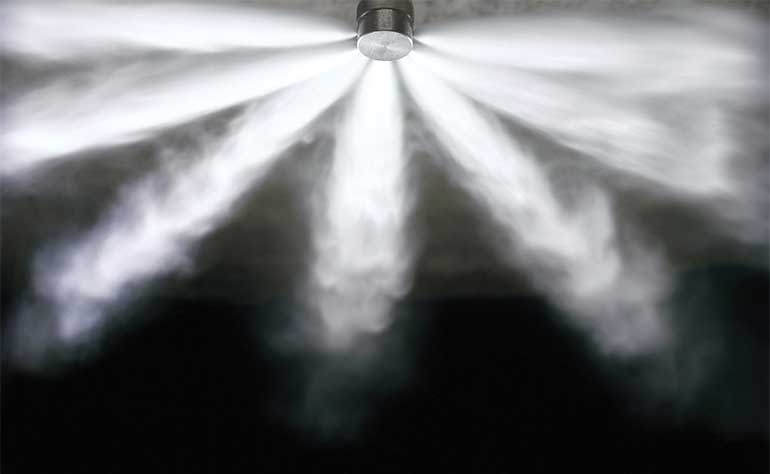
Once a fire has been detected, we use one of the many suppression agents such as Inert gas (IG55 and IG541), INERGEN® Clean Chemical Agents (FE-227, FM200 or Novec 1230), CO2, Wet Chemical Agents (Kitchen Knight II and Kitchen Mister) or Dry Powder to suppress the fire by removing one of the three elements of the fire triangle.
We can reduce or remove the oxygen, cool the fire or in some cases both cool and remove the oxygen. The decision to use different extinguishing agents will depend upon the type of materials present i.e. class B fires such as flammable liquids, each liquid is chemically different therefore there may only be one agent that can be used.
- Sealed area or in the open
- Staffing
- Your environmental policies
- Fire Service attendance time
All these will be taken into account during our discussions and meetings with you, some are simple and straight forward some require a little more thought but we like a challenge.
How do you know it will work?
All our systems are designed around the various standards available usually UK or European. But where a UK or European standard does not exist e.g. Restaurant Kitchen, we use an international standard which in this case would be the US standard NFPA.
It is crucial that where we can only prove a system works in theory that we use these standards. They are continually updated to take into account the changing world we live in through the experience of fires, live tests and demonstrations. These ensure that very rigorous testing has taken place with large error factors built in to ensure that the risk is reduced at an absolute minimum.
We can where required carry out discharge tests to prove the system, but in most cases this is not necessary, usually this is at the request of an insurer or a US client.
All our suppression agents unless stated will have been tested by 3rd party independent testing organisations such as LPCB or UL to confirm they operate properly.
Because we specialise in fire detection and suppression we can focus on what’s important to you helping you reduce the risk to your business, your clients and staff.
Contact us now to discuss your situation.
Our Core Values
We believe in our core set of values so that we can provide the best services we can.
What Our Clients Say
* Service Rating 10/10 *
“The professional way the installation and demonstration of your system was greatly appreciated by ourselves and the client”
* Service Rating 10/10 *
“Great service, thank you”
* Service Rating 10/10 *
“Great company to have working on our sites for major client, reliable and efficient and very well organised”
* Service Rating 10/10 *
“Quick efficient and friendly”
* Service Rating 10/10 *
“Andrew is one of the most helpful people who in my experience always gives 150% to every request we ask of him”
* Service Rating 10/10 *
“Very helpful will definitely use you guys in the future”
* Service Rating 10/10 *
“Great service”
Latest News
Be in the know on the current news and updates on the world of fire suppression

The Science of Fire Suppression – 20. Looking Ahead: Advances and Innovations in Fire Suppression
20. Looking Ahead: Advances and Innovations in Fire Suppression The field of fire suppression continues to evolve with advancements in technology, materials, and innovative approaches. These developments aim to enhance fire safety measures, improve
The Science of Fire Suppression – 19. Integrating Fire Suppression with Building Design: Best Practices
19. Integrating Fire Suppression with Building Design: Best Practices Integrating fire suppression systems with building design is crucial for optimising fire safety measures. By incorporating fire suppression considerations during the design phase, architects, engineers,
The Science of Fire Suppression – 18. Training and Education: Empowering Users for Effective Response
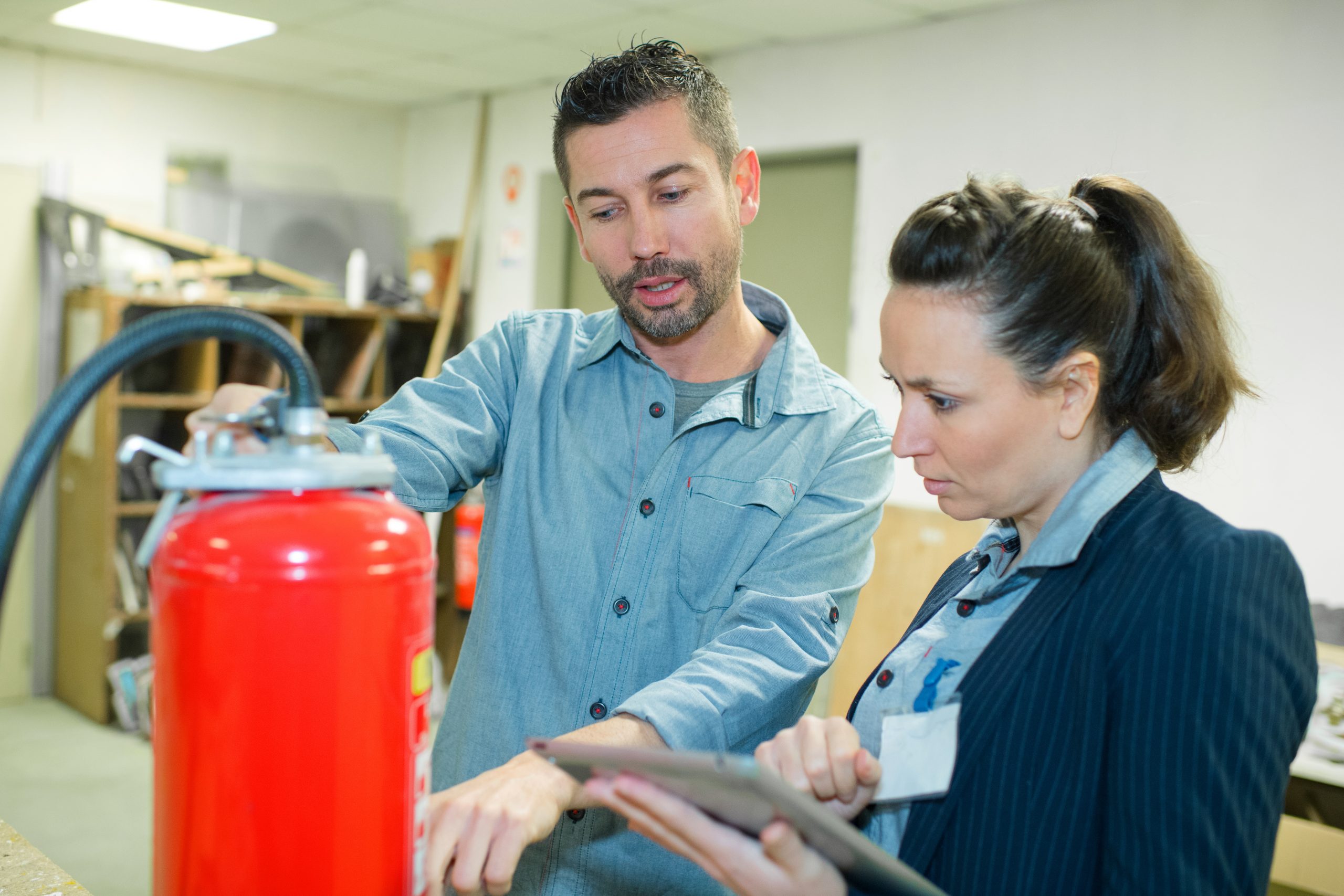
18. Training and Education: Empowering Users for Effective Response Proper training and education are essential for empowering users to respond effectively in the event of a fire emergency. By equipping individuals with the knowledge
Trusted Partners
Here are some of the partners we work with